
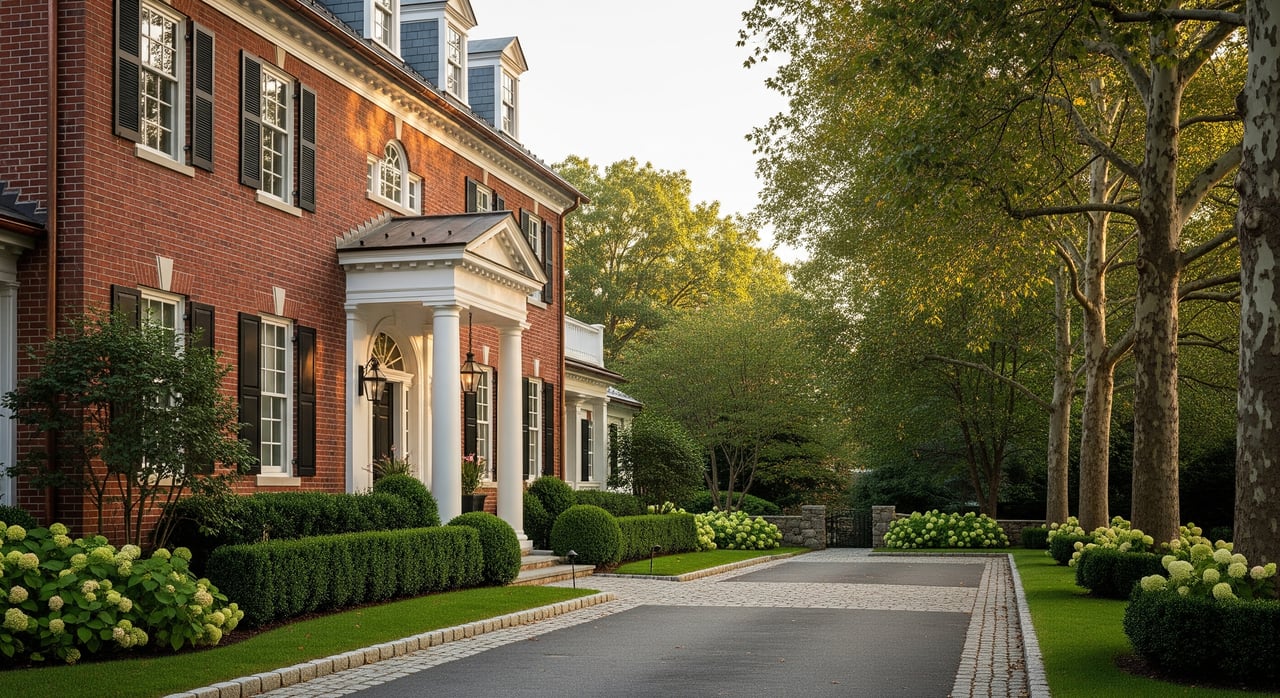
If you want a close-in Boston suburb with a friendly, small-town rhythm, Newton belongs on your shortlist. You get leafy streets, village centers with coffee and errands a short walk away, and transit options when you need to head into the city. At the same time, you have the space and privacy that many suburbs provide. In this guide, you’ll learn how Newton’s villages work, what daily life feels like, housing styles you’ll see, commute options, and how it compares to nearby towns. Let’s dive in.
Newton at a glance
Newton sits just west of Boston in Middlesex County. It is an established, largely residential city known for multiple village centers, significant parkland, and a wide mix of older single-family homes with some condos and townhouses. The city provides full municipal services and neighborhood schools, with city information available through the City of Newton.
Newton is one of the larger communities in Greater Boston. For current population and household data, check the official U.S. Census QuickFacts for Newton. Many buyers are drawn to the combination of village walkability and access to Boston’s jobs and culture.
Village living, by design
How villages shape daily life
Newton is often described as a city of “13 villages.” Each village has its own center with cafés, small restaurants, local services, and a community feel. This creates a pattern where you can live in a suburban setting while still enjoying a walkable main street. Many buyers choose a home based on the village center they plan to frequent and the commute they need.
Notable village vibes
- Newton Centre: A lively village center with shopping and year-round activity, plus convenient access to transit.
- Waban: Leafy residential streets and a compact village hub with everyday conveniences.
- West Newton: A mix of neighborhood streets and an active retail corridor, plus commuter options.
- Newtonville: Small commercial strips, easy street access, and a neighborhood center feel.
- Auburndale: A classic village layout with local shops and good roadway access.
- Chestnut Hill (partly in Newton): Higher-end retail along Boylston Street and proximity to Boston College and the Chestnut Hill Reservoir.
Walkability and transit access vary by village. Centers closer to transit lines tend to be more pedestrian-friendly, while other neighborhoods are more car-oriented.
Homes and architecture you’ll see
Newton’s housing stock leans older and character-rich. You will find late 19th and early 20th century Colonials and Victorians, along with Tudor, Craftsman, mid-century Colonials, ranches, and split-levels. There are also pockets of new construction and infill townhouses or condos near transit corridors and village centers.
Lot sizes are generally larger than you will find in Cambridge or inner Boston. Compared with some farther-out suburbs like Wellesley, certain Newton villages can have slightly smaller parcels. Many homes sit on mature, landscaped lots that offer privacy and outdoor space.
Schools and learning
Newton Public Schools operate multiple neighborhood elementary schools and two comprehensive high schools, Newton North and Newton South. Families often consider school assignment, proximity to campuses, and village location together when deciding where to live. For district updates and enrollment information, visit Newton Public Schools, and for official state data, see the Massachusetts DESE school profiles.
There are also private and independent schools in and around Newton, plus nearby higher education options in Boston and Chestnut Hill.
Parks, trails, and outdoor life
If you value access to green space, Newton delivers. The Charles River borders several neighborhoods with multi-use paths that are popular for biking, running, and weekend strolls. Conservation parcels and neighborhood parks provide playgrounds, fields, and shaded walking loops.
Two local favorites for scenery and history are Hemlock Gorge and Echo Bridge. For details on trails and access, explore the Hemlock Gorge Reservation page from Massachusetts DCR. You can also learn about conservation areas and seasonal updates through the volunteer-led Newton Conservators. In warm months, Crystal Lake is a go-to spot for swimming.
Getting around and commuting
Newton offers a variety of ways to get to Boston and across the metro area. Parts of the city are served by the MBTA Green Line, which provides direct connections into Boston. Several villages also have MBTA bus routes that link to subway or commuter rail hubs. For current routes and system maps, visit the MBTA maps page.
If you commute by train, the Worcester commuter rail line has stops in and near Newton that run east to Boston and west toward Framingham and Worcester. Schedules are available on the MBTA Commuter Rail page.
For drivers, I-90 (the Massachusetts Turnpike) borders the area, with quick access to Route 128/I-95 and other state routes. Peak-hour traffic can be heavy, which is typical for inner-ring Boston suburbs, so plan timing accordingly.
Shopping, dining, and local services
Each village center supports daily needs like grocery options, bakeries, coffee shops, restaurants, local boutiques, and small professional services. Chestnut Hill offers higher-end retail along Boylston Street. For arts, dining, and professional sports, Boston is a short transit ride or drive away.
Healthcare is widely accessible, with clinics in Newton and major medical centers across the Boston area. City services, from permitting to parks, are centralized through the City of Newton.
Costs, taxes, and homeowner basics
When you consider total cost of ownership, include mortgage, insurance, and property taxes. Newton’s assessed values reflect market pricing for a premium, close-in suburb. For current tax rates and assessment tools, start with the City’s Assessor resources on the City of Newton website.
If you plan to renovate, add on, or build, check zoning and permitting requirements with Newton’s Planning & Development and Building departments. Some properties sit in small historic or conservation districts that can affect exterior changes. You can access departments and zoning information through the City of Newton.
Municipal services typically include trash, recycling, and snow removal. Water and sewer are city managed. Service schedules and updates are posted on the City of Newton.
How Newton compares to nearby suburbs
- Cambridge: Denser and more urban, with smaller lots and higher public transit use. Newton is quieter and more single-family oriented.
- Brookline: Similar village feel and strong transit access, though often denser and more urban in feel near main corridors.
- Wellesley: Known for single-family neighborhoods and excellent schools, with larger lots and a more exclusively suburban pace.
- Needham and Watertown: Needham leans more car-dependent and residential. Watertown is denser and closer to Cambridge. Newton sits between these options, mixing village walkability with suburban spacing.
Is Newton a fit for you?
Choose Newton if you want a blend of suburban space, walkable village life, and a commute that keeps you connected to Boston. You will find older homes with character, mature trees, and neighborhood parks, along with transit options for work or a night out. If you prefer either a highly urban environment or very large lots with a more rural feel, nearby cities and towns may fit you better.
Work with a locally rooted team
Buying or selling in Newton benefits from hyperlocal insight. Our team lives and works in the village fabric every day, and we back that local focus with professional marketing, data-informed strategy, and clear communication. If you want guidance on villages, pricing, timing, and presentation, connect with Mike Reece to map your next steps with confidence.
FAQs
What is commuting from Newton to Boston like?
- The MBTA Green Line and bus routes serve parts of Newton, commuter rail connects via the Worcester line, and drivers have I-90 and I-95 access; see MBTA maps for options.
How are public schools organized in Newton, MA?
- Newton Public Schools run neighborhood elementary schools and two comprehensive high schools; find district details at Newton Public Schools and state data at DESE profiles.
What should I know about Newton property taxes?
- Assessed values and the annual tax rate come from the City; start with the Assessor information on the City of Newton site to review current figures and tools.
Are there historic districts or renovation rules in Newton?
- Yes, some areas have historic or conservation protections; check zoning maps and permit steps through Planning & Development and Building on the City of Newton site.
Which Newton villages are most walkable to transit?
- Walkability varies by village; centers near Green Line stops or bus routes offer easier pedestrian access, and you can confirm stop locations on MBTA maps.