
Thinking about buying a Watertown condo or a small multifamily and not sure where to start? You are not alone. With a mix of classic triple-deckers and new amenity buildings near Arsenal Yards, Watertown gives you real choices, but each path comes with different rules, costs, and timelines. In this guide, you will learn what to expect with HOAs, parking, financing, and due diligence so you can buy with confidence. Let’s dive in.
Why Watertown works for buyers
Watertown sits just northwest of Boston with quick access to Cambridge and the Arsenal Yards area. You will see older wood-frame two- and three-family homes near established streets, plus newer mid-rise and mixed-use buildings with modern amenities. That variety lets you match your budget and lifestyle, whether you want low-maintenance condo living or a house-hack that adds rental income.
Local tax policy also matters if you plan to live in your new home. Watertown has a residential exemption for owner-occupants that can lower the effective tax bill on your primary residence. You should verify current figures with the Town Assessor, but you can review recent context from local reporting on the FY2026 tax rate discussion to see how policy affects owners. You can read more in this overview of the latest tax conversation from local reporting on the FY2026 rate and residential exemption. See the local report for context.
What you will see on the market
Older two- and three-families
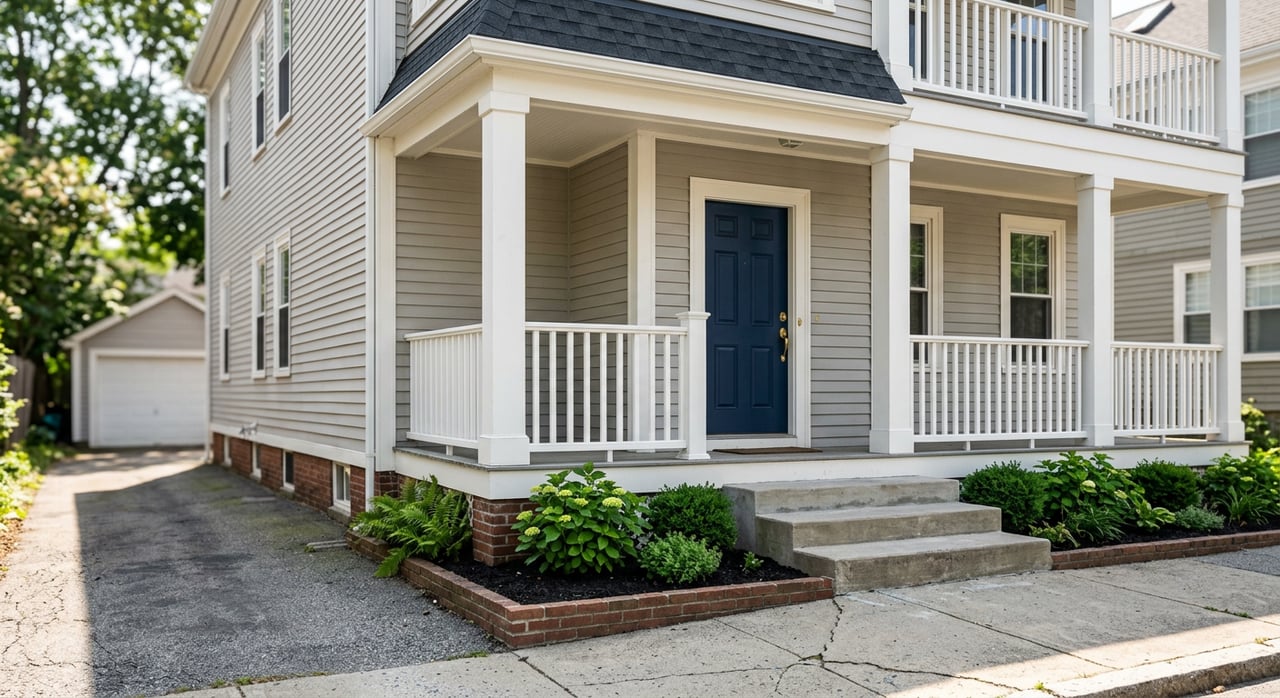
Classic two-families and triple-deckers are common. These buildings can offer lower per-unit purchase prices and the chance to offset your mortgage with rental income. The trade-off is hands-on ownership. Older systems may need updating, and you will manage tenants, leases, and maintenance. If you like control and long-term value-add, this lane can work well.
Low- and mid-rise condos
Many Watertown condos sit in low- to mid-rise buildings near streets like Coolidge Avenue, Main Street, and Arsenal Street. You will often find assigned or deeded garage parking, elevators, and centralized utilities. The appeal is convenience and predictability. Monthly dues cover many building items, so you plan instead of react. The trade-off is association rules and fees that vary by building.
Newer mixed-use near Arsenal Yards
Newer projects near Arsenal Yards bring on-site management, package rooms, fitness centers, and structured parking. These features support easy living and strong rental demand, which can help future resale. Expect higher HOA fees that reflect services and staffing. If you value amenities and a walkable hub, this stock is worth a look.
HOA basics in Massachusetts
Massachusetts condominiums operate under M.G.L. Chapter 183A, which outlines how condos are formed and how associations govern budgets, maintenance, and rules. It also creates protections around unpaid assessments that matter to lenders and buyers. If you plan to finance, the project’s legal and financial health is part of your loan review. Learn the legal foundation in this state overview of condominium rules under M.G.L. Chapter 183A.
What dues often cover in Watertown
Typical HOA fees in Watertown range from the low hundreds into the mid-hundreds per month, with higher fees in full-service buildings. Dues commonly cover building exterior maintenance, master insurance, snow removal, landscaping, and water or sewer in some buildings. Elevators, amenities, and staffing can increase costs. Always confirm what is included in writing.
What to review in the resale package
Before you commit, request a full set of association documents so you know what you are buying into:
- Current budget and 2–3 years of financials
- Reserve study and current reserve balance
- Meeting minutes from the last 6–12 months
- Master insurance summary and certificates
- Estoppel or resale certificate
- Special assessments in the past few years
- Rental and occupancy rules
- Any pending or recent litigation
Red flags that impact resale and financing
Watch for low reserves relative to building age, frequent or recent large special assessments, high dues delinquency among owners, pending litigation, a developer or sponsor owning multiple units, restrictive rental caps, or gaps in master insurance. These issues can limit financing or reduce buyer demand at resale.
Parking and zoning must-knows
Street parking rules and winter season
Watertown does not run a broad resident-only permit program. On-street parking is public and subject to local time limits and seasonal rules, which can change during snow season. If you rely on street parking, check block-level conditions and confirm winter enforcement windows with the town. Start with the Parking Clerk’s official page.
Deeded vs assigned parking
Condo listings in Watertown may offer deeded garage spaces, assigned spots, or parking licenses with separate fees. Deeded parking conveys with the unit’s title, while licensed or assigned parking can change by policy. Ask for documents that show the parking type, location, guest policies, and any separate charges.
Zoning for small multifamily
If you plan to buy a 2–4 unit property and consider conversions or an accessory unit, start with zoning. Watertown’s ordinance defines single-, two-, and three-family dwellings and outlines approval paths for changes. Review the code before you plan projects so you understand permitted uses and any special-permit steps. Read the Watertown zoning ordinance.
Price ranges and rents
Recent small multifamily sales in Watertown have generally traded from the mid-six figures into the low seven figures, depending on size, location, and condition. Newer amenity condos tend to price higher than older walk-up units, with HOA fees reflecting services. For rental assumptions, 1-bedroom units near Arsenal and Coolidge corridors have commonly asked in the low $2,500s to mid $3,000s range, depending on finishes and building age. Because these numbers change monthly, plan to pull fresh comps and live rental data as you write offers.
Financing paths: live-in or invest
Owner-occupant 2–4 units
If you plan to live in one unit, you may be able to use low down payment options on 1–4 unit properties, including FHA, subject to loan limits and property eligibility. FHA has specific rules for condo projects and for multi-unit underwriting, so early lender checks are essential. Get a primer on how townhomes, condos, and FHA approvals work in this summary of project eligibility and single-unit approval pathways: FHA project approval basics.
Conventional programs through Fannie and Freddie also finance 2–4 unit homes for owner-occupants, with down payment and reserve requirements that vary by program, unit count, and your profile. Review common owner-occupied multifamily guidelines in this overview of program differences: Conventional rules overview.
Condo warrantability matters
Lenders review condo projects for owner-occupancy ratios, single-entity ownership, reserves, insurance, and litigation. If a project is non-warrantable, your financing options may narrow or require larger down payments and higher rates. Read a consumer-friendly guide on warrantability and lender checks here: Condo warrantability guide. If you are pursuing FHA or VA, you can quickly check project status with these online tools to review FHA or VA condo approvals.
Pure investment loans
If you will not live in the property, expect larger down payments and different underwriting, including DSCR or portfolio options. Lenders often require 20 to 25 percent down or more, plus reserves. Get a quick overview of common investor loan types here: Investor financing options.
First-time buyer help in Massachusetts
If you are a first-time buyer, explore statewide programs that can help with down payment or better terms. MassHousing offers down payment assistance and partners with local lenders across Massachusetts. Review current offerings on the MassHousing down payment assistance page.
Practical due diligence checklist
Use this short list to stay organized and reduce surprises:
- Condo documents: request budget, 2–3 years of financials, reserve study and balance, master insurance summary, estoppel/resale certificate, 6–12 months of meeting minutes, rental rules, and litigation disclosures.
- What dues include: confirm in writing whether heat, water, snow removal, parking, and amenities are covered. Ask about any planned special assessments.
- Warrantability and approvals: ask your lender about project warrantability. If using FHA or VA, verify the project’s status with agency tools.
- Building systems: for 2–4 unit homes, inspect roof, heating, plumbing, and electrical. Confirm whether utilities are separate or shared and review recent capital work.
- Income and expenses: collect current leases, rent history, and a simple expense statement. Check property tax history and whether an owner-occupant residential exemption would apply.
- Lead safety for older homes: if the property was built before 1978, consider a lead evaluation and understand renovation rules under EPA’s RRP program. Read the EPA RRP guidance.
- Zoning and use: if you plan alterations or an accessory unit, review the Watertown zoning ordinance and talk with the town about approvals and timelines.
- Parking: confirm deeded vs assigned parking in writing and review guest rules. If relying on street parking, check the Parking Clerk’s page for local rules and winter guidance.
How The Reece Team helps you buy well
Buying in Watertown is about fit, financing, and future resale. You want a clear view of building quality, HOA health, and lender requirements before you commit. Our team brings local, data-informed guidance, coordinated lender introductions, organized document reviews, and on-the-ground insights about blocks, parking, and building types. We will help you compare options, structure a strong offer, and navigate inspections and approvals with steady communication.
When you are ready to tour or want a second set of eyes on a condo budget or multifamily rent roll, reach out to Mike Reece. We are here to help you buy with clarity and confidence.
FAQs
What are typical HOA fees in Watertown condos?
- Many buildings run from the low hundreds into the mid-hundreds per month, with higher dues in amenity buildings where staffing and services increase costs.
How does Massachusetts condo law affect buyers in Watertown?
- Condos follow M.G.L. Chapter 183A, which governs documents, budgets, and association powers, and lenders review project health during financing.
Do I need a parking permit to live in Watertown?
- Watertown does not operate a broad resident-only permit program, so on-street parking is public and subject to time limits and seasonal rules.
Can I use FHA to buy a 2–4 unit in Watertown?
- Yes, if you live in one unit and the property and loan meet FHA rules and limits, but you should confirm eligibility and project status early with your lender.
What makes a condo non-warrantable and why does it matter?
- High investor ratios, single-entity ownership, low reserves, inadequate insurance, or litigation can limit conventional financing or raise down payment needs.
What should I check before buying a triple-decker?
- Inspect major systems, confirm separate utilities, review leases and expenses, check tax history, and review zoning for any future changes you might want.
How do winter parking rules affect condo living in Watertown?
- Seasonal bans can restrict on-street options during snow operations, so confirm building parking and review town winter notices before you rely on street parking.