
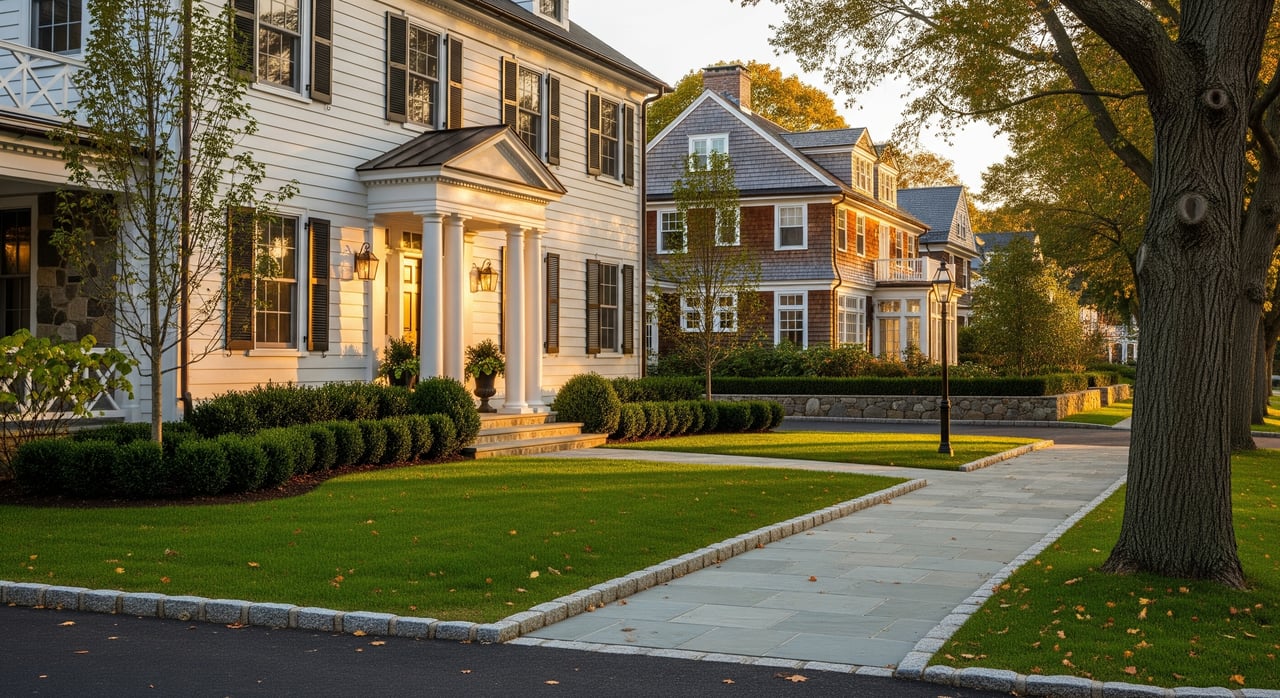
Torn between Newton and Needham for your next move? You are not alone. Both offer strong community amenities, quick access to Boston, and appealing housing choices, but the day-to-day feel can be very different. In this guide, you will get a clear, side-by-side look at lifestyle, housing stock and budgets, village centers, commuting, and practical costs so you can decide with confidence. Let’s dive in.
Newton vs Needham at a glance
Newton sits directly against Boston’s western edge with multiple village centers and frequent transit options. Needham is just southwest of Newton with a smaller-town feel and a compact downtown. Both lie along the Route 9 and I-95/128 corridor, offering relatively quick routes into the city.
- Newton: More village centers, denser mix of housing types, broader cultural amenities, and generally higher prices at the entry and mid-range.
- Needham: More uniformly suburban, larger lots in many areas, strong single-family presence, and often slightly lower purchase prices on average.
If you want varied neighborhoods and frequent transit stops, Newton often fits. If you want a quieter suburban setting with larger yards, Needham is a strong contender.
Lifestyle and feel
Newton: City of villages
Newton’s “city of villages” structure creates multiple walkable hubs like Newton Centre, Waban, West Newton, Newton Highlands, and Auburndale. You will find coffee shops, restaurants, local theaters, and small businesses at street level with steady pedestrian activity. Closer to village centers and transit, you will see more apartments and condos. Further out, you will find architecturally diverse single-family homes, including Victorian, Colonial, Tudor, and Craftsman styles.
Needham: Classic suburban town
Needham delivers a calm suburban pace with a compact downtown in Needham Center and smaller nodes in Needham Heights and Needham Junction. Retail, dining, and services are concentrated in these areas and along major corridors. Neighborhoods are primarily single-family, many built mid-20th century, with a growing mix of infill and condo developments. Lots tend to be larger than in Newton’s denser villages.
Housing, budgets, and inventory
Housing mix
- Newton: Wider variety, including luxury single-family homes, historic neighborhoods, townhomes, mid-rise condos, and rentals near transit hubs.
- Needham: Predominantly single-family homes from the mid-20th century, with condos and townhouses near the center and rail stations, plus newer renovations and subdivisions.
Pricing dynamics
- Newton generally carries higher median sale prices and higher price per square foot. If you want more housing variety at different price points, including condos, Newton offers options.
- Needham frequently provides more space for the dollar in some neighborhoods, especially for buyers focused on single-family homes with yard space.
Inventory and turnover
- Newton’s multifamily and smaller single-family homes can create more frequent turnover in some villages.
- Demand in Needham is often strong near commuter rail stations, where proximity can reduce days on market.
Rentals
- Newton supports a larger rental market, especially near village centers and transit.
- Needham’s rental options are more limited and typically cluster near its downtown and rail stations.
Set your budget with current MLS data and include taxes, insurance, and any potential renovation costs. Market conditions change, so check up-to-date numbers before you act.
Village centers and daily amenities
Newton villages and greenspace
Newton’s many commercial cores mean you are often a short walk to coffee, groceries, and services. Public spaces include the Chestnut Hill Reservoir corridor for walking, Crystal Lake for seasonal water access, Hemlock Gorge and the Echo Bridge greenway, and segments of the Charles River greenways.
Needham centers and parks
Needham Center is compact and walkable, with restaurants, small retailers, banks, and civic services. Needham Heights and Needham Junction offer smaller commercial nodes. Conservation areas and recreation fields are close by, including access to the Cutler Park and Charles River corridor, plus town playgrounds and athletic fields.
The practical difference: Newton’s multiple villages often put amenities within a short stroll. In Needham, many neighborhoods are a quick drive from the nearest center.
Commute and access
Public transit options
- Newton: Served by multiple branches of the MBTA Green Line, which offers frequent service and many access points into Boston. The Green Line is slower than commuter rail, but its reach and stop density provide flexibility.
- Needham: Served by the MBTA Needham Line commuter rail, with direct trains to Back Bay and South Station. Trains are less frequent but typically faster into central Boston. Stations often have dedicated parking lots, usually with fees and time restrictions.
Driving and highways
- Newton: Proximity to Boston’s western neighborhoods and connections to Route 9, MA-16, and I-90 can shorten trips, though peak congestion varies by corridor.
- Needham: Excellent access to I-95/128 and Route 9 for suburban job centers and trips toward Boston. Commutes downtown typically combine Route 9 or local roads with highway segments, and travel time varies with peak traffic.
How to test your commute
Real-world testing is essential. During typical morning and evening windows:
- Time door-to-station and station-to-desk for your preferred route.
- Check parking availability at your target station or on-street near Green Line stops.
- Try both options if you are undecided: a Green Line ride from a Newton village and a Needham commuter rail trip to Back Bay or South Station.
Municipal costs, zoning, and renovations
- Property taxes: Your annual bill depends on the assessed value and tax rate. Newton’s higher assessed values can lead to higher nominal taxes for similar properties. Review current municipal rates and a sample of recent tax bills before you finalize a budget.
- Zoning and renovations: Newton’s village overlays and design standards can shape what you can add or alter. Needham has its own zoning with recent planning initiatives around downtown and transit. If you are planning an addition, ADU, or conversion, check the local code early.
- Historic districts: Newton includes several historic districts and landmark overlays that may limit exterior changes. Needham has historic properties and guidelines that differ from Newton’s framework.
- Utilities and insurance: Confirm which utilities are municipal versus private, and evaluate any flood or environmental considerations near river corridors at the specific address level.
How to choose: a simple framework
- Define non-negotiables and nice-to-haves
- Examples: maximum commute time, transit type preference, minimum lot size, number of bedrooms, architectural style, and neighborhood feel.
- Translate into measurable criteria
- Aim for specifics like “30 minutes or less door to desk during morning peak” or “under a 10-minute walk to coffee and groceries.”
- Set budget and get pre-approved
- Use current comparable sales in both towns to ground your price range. Include property taxes, condo fees if applicable, insurance, and renovation reserves.
- Field-test shortlists
- Visit multiple Newton villages and Needham neighborhoods at different times of day. Note noise, traffic, and parking. Time the walk to transit and daily services.
- Consider resale and long-term fit
- Liquidity can differ by proximity to transit, village walkability, lot size, and home type.
- Check constraints early
- Review zoning, lot coverage, historic overlays, and any potential for additions or an ADU if that is on your horizon.
- Make a focused list of addresses
- Pull recent comps and days on market for micro-areas. Work with a local agent who understands both communities.
What this means for your move
- Choose Newton if you value multiple walkable village centers, frequent transit stops, and a diverse housing mix that includes condos and historic homes. Expect generally higher price points at the entry and mid-range.
- Choose Needham if you prefer a quieter suburban setting with larger lots and strong single-family options, and you plan to use the commuter rail or drive via I-95/128 and Route 9.
Either way, you can live close to Boston with solid local amenities, parks, and community programs.
Ready to compare homes on the ground?
You deserve a clear, data-informed plan tailored to your commute, budget, and lifestyle. As a Newton-based boutique team rooted in Waban Village, we guide you through village-level nuances in Newton and the neighborhood nodes in Needham, then help you test your day-to-day fit before you commit. When you are ready, we will line up on-the-ground tours, neighborhood walk-tests, and a pricing strategy that fits your goals.
Have questions or want a personalized shortlist? Let’s talk. Connect with Mike Reece to map your next move.
FAQs
Is Newton or Needham better for frequent transit into Boston?
- If you want frequent service and many stop options, Newton’s Green Line coverage often wins. If you prefer fewer but faster trains into Back Bay or South Station, the Needham commuter rail is attractive.
How do housing budgets compare between Newton and Needham?
- Newton typically has higher median prices and price per square foot. Needham often offers more interior space or larger lots for the dollar, especially in single-family segments.
Which town is more walkable to daily amenities?
- Newton’s many village centers create shorter walks to coffee, groceries, and services in several neighborhoods. Needham’s amenities are more concentrated, so some areas are a short drive to the center.
What should I know about property taxes and renovations?
- Annual tax bills vary by assessment and rate, which differ between municipalities. Zoning, overlays, and historic districts can shape additions or exterior changes, so review local rules early.
How should I test my commute before I buy?
- Time door-to-desk trips during peak hours from sample addresses, try both transit options if relevant, and confirm station parking availability or on-street options near stops.