
Picture your morning starting with a quiet walk along a leafy path, coffee in hand, and a quick stop for fresh flowers before the train into Boston. That rhythm captures a lot of daily life in Wellesley. If you want walkable village energy with easy access to green space and convenient shopping, this town gives you a clear, simple routine. In this guide, you’ll see how Wellesley’s village centers, trails, dining, and housing come together so you can decide if it fits your next move. Let’s dive in.
The village-center way of life
Wellesley organizes daily life around a few compact, useful hubs. You can handle short errands and meetups in the villages, then use the Route 9 and Route 16 corridors for bigger grocery or retail runs.
Wellesley Square
Wellesley Square feels like a classic New England downtown. You get independent shops, cafés, town services, and a commuter rail stop within a short walk of storefronts. On weekends, the sidewalks stay lively with brunch, browsing, and quick errands.
Linden Square
Linden Square is a modern, pedestrian-oriented plaza with restaurants, services, and boutiques. It complements Wellesley Square with a simple, park-once setup for dinner, fitness, and weekly errands. Check the Linden Square site for rotating food and retail tenants plus seasonal events that draw local foot traffic.
Wellesley Hills
Wellesley Hills stretches along Washington Street with neighborhood services and restaurants. It is a little more car friendly, but you still find walkable pockets near the train station for a quick coffee or lunch.
Wellesley Farms
Wellesley Farms reads quieter and more residential, with a small commercial footprint and fast access to open space. It also offers direct commuter rail service, which is a major draw if you prefer a low-key village feel with a rail option.
Errands on Route 9 and Route 16
For large-format retail and pantry restocks, you will likely head to the Route 9 and Route 16 corridors. These roads connect you to grocery anchors, services, and regional shopping, while the villages handle your shorter, daily trips.
Green space and trails
Access to the outdoors is a big part of why people choose Wellesley. Trails, a town beach, and seasonal programming give you easy ways to unplug close to home.
Morses Pond
Morses Pond offers a town beach with seasonal lifeguards, boat rentals, and nearby trails. The Recreation Department manages operations and a resident pass system, so it functions like a summer clubhouse for many families. Get details on hours and passes from the town’s Morses Pond page.
The Brook Path and trail network
The Brook Path, part of Fuller Brook Park, is the best-known multi-use route for walkers and runners. It links neighborhoods and village nodes, and it is one of the easiest ways to fold fresh air into your day. For an overview of connections across town, see this look at Wellesley’s trail system.
Elm Bank and seasonal gardens
The Massachusetts Horticultural Society’s Garden at Elm Bank is a local favorite for strolling, photography, and seasonal events. It functions as both a visiting attraction and a community touchpoint for garden lovers. Check the Mass Hort calendar and visitor info on The Garden at Elm Bank page.
Cultural anchor: The Davis Museum
Wellesley College shapes local culture with public programming, lectures, and exhibitions at the Davis Museum. Exhibits and talks bring visitors into town and create a steady rhythm of arts events throughout the year. Explore current shows and hours at the Davis Museum.
Shopping, dining, and daily errands
Wellesley blends independent cafés and bakeries with a few high-end local options in a town-scaled dining scene. Evenings feel relaxed and neighborly rather than late-night urban.
- Village stops: Plan on short, walkable errands and coffee meetups in Wellesley Square and Linden Square. Many restaurants offer patios or bench-side seating that keep streets active in good weather.
- Groceries and the farmers market: Whole Foods anchors Wellesley Plaza on Washington Street, and its parking area hosts the seasonal Wellesley Farmers’ Market. Check the Whole Foods Wellesley store page for hours and updates, and watch for market-day foot traffic.
- Seasonal moments: Linden Square often features holiday décor, sidewalk events, and family programming that add to the village feeling.
Home options and neighborhood feel
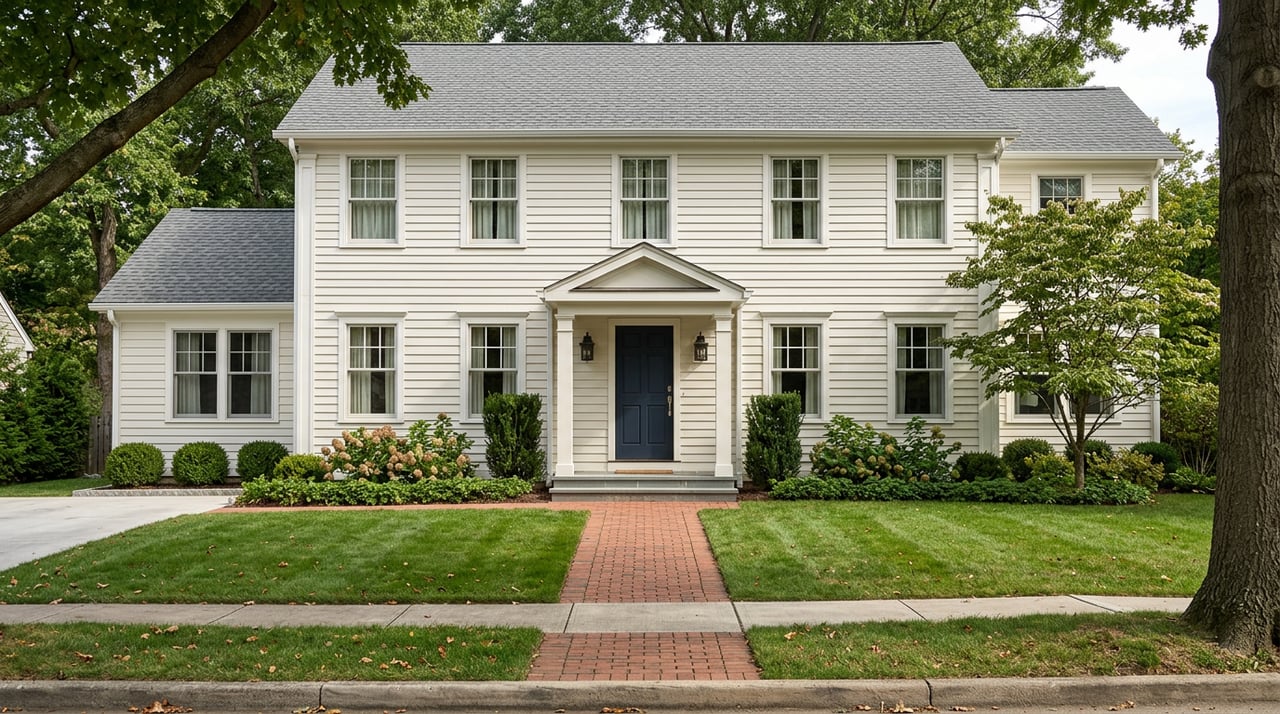
Wellesley is known for single-family homes in a range of styles, from historic Colonials and Shingle-style houses to mid-century properties and high-end custom new builds. Condos and townhomes exist, though they represent a smaller share of inventory and tend to cluster near village centers and along major corridors.
- Estate pockets and privacy: Areas like Wellesley Farms, the Cliff Estates, and the Dana Hall vicinity offer larger lots and a more private, tree-framed setting. Many homes in these pockets feature extensive renovations or recent custom construction.
- Walkability tradeoffs: Central neighborhoods near Wellesley Square and Linden Square sit on smaller lots and feel denser, which suits buyers who want short walks to coffee, groceries, and the train.
- Lower-maintenance options: If you are downsizing, you can find condo and townhome options close to the villages. Inventory is more limited than single-family supply, so timing and preparation matter.
Market context at a glance
Wellesley sits at the high end of Greater Boston’s suburban market with a history of strong owner equity. The U.S. Census American Community Survey for 2019 to 2023 estimates the median value of owner-occupied housing units around 1.51 million dollars. You can review that context on the Census QuickFacts housing chart.
Within town, pricing varies by ZIP code and neighborhood. For example, Wellesley Hills and higher-end pockets often show different listing medians than central Wellesley. Because inventory changes quickly, use these points as general context, not day-to-day pricing. If you want a current, ZIP-specific snapshot, ask for a custom brief with recent list and sale trends.
Getting around
Commuter rail convenience
You have three MBTA Commuter Rail stops in town on the Framingham and Worcester Line: Wellesley Square, Wellesley Hills, and Wellesley Farms. Trains offer one-seat service into Boston’s Back Bay and South Station corridors, with schedules that vary by peak and off-peak. See route details on the Framingham and Worcester Line overview.
Driving and corridors
Wellesley’s major retail and commuting corridors sit along Route 9 and Route 16 with quick access to Route 128 and the Mass Pike. In daily life, you will likely pair village walking with occasional car trips for larger shopping or regional appointments.
Schools and enrollment basics
Wellesley Public Schools offers multiple neighborhood elementary schools plus programming at the middle and high school levels. Families often consider school proximity and schedules when choosing neighborhoods. For enrollment, program information, and current school boundaries, start with the Wellesley Public Schools district site.
Wellesley vs. Newton vs. Needham
- Newton: Denser and closer in to Boston, with many compact villages. Buyers often choose it for a broader mix of urban-to-suburban neighborhoods and shorter city access.
- Needham: A nearby suburb with more mid-century neighborhoods and active new construction in some pockets. It offers different price and lot-size tradeoffs compared with Wellesley.
- Wellesley: Often perceived as having more estate-style areas, fewer small-lot multifamily options, and village centers that feel curated with a college-influenced cultural layer.
Is Wellesley a fit for you?
- Affluent buyers: Look to Wellesley Farms, the Cliff Estates, and the Dana Hall area for larger lots, privacy, and custom builds. The village centers keep daily life simple while the estates deliver space and amenities.
- Downsizers: Village-adjacent condos and townhomes make it easy to walk to coffee, dinner, and the train. Inventory is lean, so prepare financing and timing early.
- Relocators: Three rail stops, straightforward highway access, and a clear village structure make the transition smooth. Plan ahead for seasonal logistics like Morses Pond passes and Elm Bank event calendars.
A day in Wellesley
Start with a jog along the Brook Path to get your steps in before work. Grab coffee in Wellesley Square and catch the next train into Boston. On a Saturday, swing by the Whole Foods Wellesley store for the seasonal farmers market, then head to The Garden at Elm Bank for a late-morning stroll among the plantings. In summer, meet friends at Morses Pond for a swim, then finish the day with dinner on a patio at Linden Square. That is the rhythm many residents enjoy.
Ready to explore Wellesley?
If you want a tailored neighborhood tour, a fresh market brief, or a pricing strategy for your home, reach out. Our team pairs local insight with premium presentation so you can move with confidence. Connect with Mike Reece to start a plan that fits your goals.
FAQs
What are the most walkable areas in Wellesley for coffee and errands?
- Wellesley Square and Linden Square offer the most concentrated mix of cafés, shops, and services within a short walk.
Where can I find larger lots and more privacy in Wellesley?
- Estate-style pockets such as Wellesley Farms and the Cliff Estates typically feature larger parcels and many high-end custom or renovated homes.
Can I commute to Boston by train from Wellesley?
- Yes. Three town stations on the Framingham and Worcester Line offer direct service to Back Bay and South Station; check schedules for peak and off-peak times.
Are there strong outdoor and cultural options year-round in Wellesley?
- Yes. The Brook Path and town trails, Morses Pond, The Garden at Elm Bank, and the Davis Museum provide activities in every season.
Where can I find official school and enrollment information for Wellesley?
- Visit the Wellesley Public Schools site for current programs, registration steps, and district boundaries.