If you have been trying to balance budget, space, and location in MetroWest, Framingham deserves a close look. For many buyers, the challenge is finding a single-family home that feels attainable without giving up convenience or choice. Framingham stands out because it often offers more house for the money than some nearby towns, along with an established housing stock that gives you real options. Let’s dive in.
Why Framingham Stands Out
Framingham’s single-family market is shaped less by brand-new construction and more by variety. According to the city’s housing data, 77% of the housing stock was built before 1980, with a large share dating to the 1950s. That means you are more likely to find established homes with character, mature surroundings, and room for updates than a large supply of newer subdivision homes.
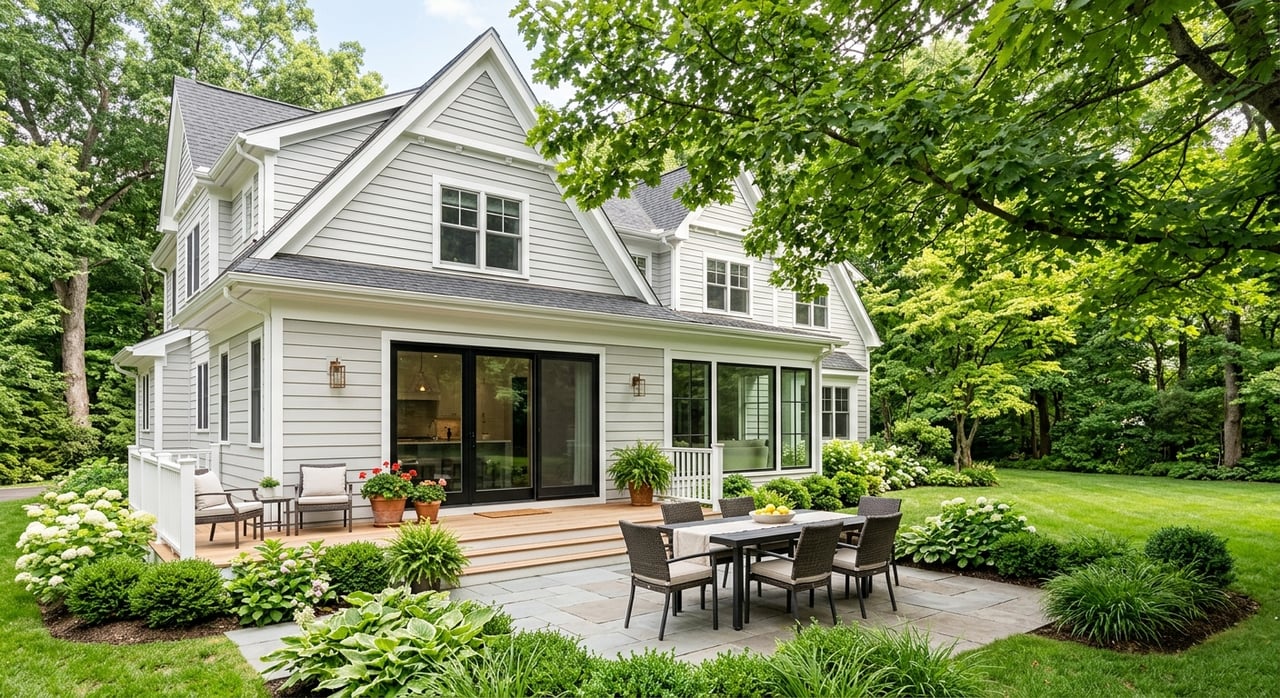
That older housing stock also creates a wider mix of styles than many buyers expect. Framingham’s assessor materials and housing plans point to split levels, split entries, colonials, gambrel colonials, capes, ranches, bungalows, cottages, contemporaries, and older farmhouses. If you want flexibility in layout, lot feel, or renovation potential, that variety can be a real advantage.
What “Value” Means in Framingham
Value in Framingham is not just about finding the lowest price. It is about how much space, location convenience, and long-term usability you can get for your budget. In a market where supply remains tight, that balance matters.
The Massachusetts Association of REALTORS reported a Framingham single-family median sale price of $739,000 in February 2026 and $722,000 year to date. At the same time, Realtor.com showed a March 2026 median list price of $634,500 and a median asking price of $359 per square foot. Those numbers reflect different slices of the market, but together they show a town that remains competitive while still looking relatively approachable next to some nearby alternatives.
Framingham’s own 2026 housing landscape report adds another important layer. The city says its single-family median sale price has risen by more than $300,000 since 2014, which is an increase of more than 90%. At the same time, single-family permits have stayed below 15 per year since 2021, helping explain why inventory remains limited.
Current Framingham Market Conditions
If you are shopping now, you should expect a market that still moves quickly. The February 2026 MAR update showed 34 homes for sale, 1.0 months of supply, 46 days of cumulative market time, and sellers receiving 97.3% of original list price. That is a strong sign that buyers need to be prepared and realistic.
Listing-side data tells a similar story, even if the measurements differ. Realtor.com reported 55 active listings in March 2026 and a 23-day median time on market. In plain terms, homes can attract attention fast, especially when they are priced well and offer a condition or layout that fits current buyer demand.
Framingham vs Nearby Towns
One of the clearest ways to understand Framingham’s appeal is to compare it with nearby MetroWest towns. On a per-square-foot basis, Framingham sits in the middle of the range, which often makes it a practical compromise between price and convenience.
Here is how current median asking price per square foot compares:
| Town | Median Asking Price Per Sq Ft |
|---|---|
| Framingham | $359 |
| Natick | $447 |
| Westborough | $383 |
| Marlborough | $331 |
| Ashland | $314 |
Using those figures, a $650,000 budget would roughly translate into:
- Framingham: 1,811 square feet
- Natick: 1,454 square feet
- Westborough: 1,697 square feet
- Marlborough: 1,964 square feet
- Ashland: 2,070 square feet
These are estimates, not median home sizes, but they help illustrate the tradeoffs. Framingham often gives you more space than Natick or Westborough for the same dollars, while still offering stronger infrastructure and broader day-to-day convenience than some lower-cost options.
Framingham Compared With Natick
Natick is notably more expensive. MAR reported a February 2026 median sale price of $896,500 and a year-to-date median of $940,000, while Realtor.com showed a median list price of $982,500 and $447 per square foot. For many buyers, that means the same budget that buys a comfortably sized home in Framingham may buy a smaller home in Natick.
Framingham Compared With Ashland
Ashland can stretch a budget farther on interior size, with Realtor.com showing $314 per square foot and a March 2026 median list price of $589,900. MAR also showed a lower year-to-date median sale price of $625,000. Still, Framingham typically offers more selection, with 34 homes for sale in the February 2026 MAR report versus Ashland’s 6.
Framingham Compared With Marlborough
Marlborough often lands near Framingham in headline price, but it tends to come in lower per square foot at $331. That can mean slightly more space for your money. Framingham, though, tends to offer a different mix of civic and transit infrastructure, which may matter just as much as square footage depending on your routine.
Framingham Compared With Westborough
Westborough is close enough in budget to be a real comparison point. Realtor.com showed an April 2026 median list price of $692,500 and $383 per square foot, which is still a bit above Framingham. In practice, Framingham often gives you a little more room for the same spend.
Why Selection Matters
In a tight market, price is only part of the equation. The number of homes you can actually choose from matters just as much. Framingham compares well here.
The February 2026 MAR report showed 34 single-family homes for sale in Framingham. That was more than Natick’s 14 and Ashland’s 6, and above Marlborough’s 21. Inventory is still limited, but Framingham can offer a wider field of options than some nearby towns, which is important when you care about style, condition, lot size, or update potential.
What Buyers Should Expect From Older Homes
Because so much of Framingham’s housing stock predates 1980, buyers should walk in with the right expectations. You may find solid construction, established settings, and layouts that differ from newer builds. You may also need to budget for cosmetic updates, system improvements, or longer-term renovation plans.
That is not necessarily a drawback. For many buyers, it is exactly where value lives. If a home has good bones, a workable layout, and a location that supports your daily life, you may be able to improve it over time rather than paying a premium upfront for fully updated finishes.
Framingham’s Everyday Convenience
Framingham’s value story goes beyond the house itself. The city’s planning documents highlight downtown Framingham as a hub with the commuter rail station, MWRTA bus routes 3 through 7, the public library, MetroWest Medical Center, the Edward Kennedy Community Health Center, police services, parks, playgrounds, and the Boys & Girls Club. That level of infrastructure can make daily routines easier and broaden what “livable value” means.
For buyers comparing towns, this matters. Framingham often sits in a practical middle ground: more space per dollar than some pricier neighbors, more built-in infrastructure than some lower-cost alternatives, and a broader mix of home types than many suburbs with tighter housing patterns.
How to Evaluate Value as a Buyer
If you are considering Framingham, focus on the full picture rather than just list price. A smart value decision usually comes down to how the home fits your real priorities.
Look at factors like:
- Price per square foot relative to nearby towns
- Condition and likely update costs
- Layout and whether it works for your daily life
- Inventory and competition in your price range
- Access to transit, services, and parks
- Long-term flexibility if your needs change
In Framingham, the strongest opportunities are often homes that are structurally sound, well located, and not trying to compete as fully turnkey. Those properties may give you the chance to buy into the market with a little more breathing room and improve the home over time.
Why Framingham Appeals to Different Buyers
Framingham can work for a wide range of buyers because it offers more than one kind of opportunity. Some people are looking for a first single-family home without jumping to the highest price points in the area. Others want more interior space, a different home style, or better day-to-day convenience.
The city’s mix of colonials, capes, ranches, split-level homes, and older farmhouses creates a broader menu than you see in some nearby markets. That can be especially helpful if you are trying to match a budget with a certain floor plan, lot feel, or renovation vision.
Final Thoughts on Finding Value
Framingham is not a hidden bargain market. It is competitive, inventory is tight, and prices have climbed significantly over the last decade. But compared with many nearby towns, it still offers a compelling value equation: varied single-family homes, more space per dollar than some higher-priced neighbors, and everyday infrastructure that supports how you actually live.
If you want help comparing Framingham with other Greater Boston suburbs, building a strategy around your budget, or identifying homes with the best long-term upside, Mike Reece can help you approach the search with clarity and confidence.
FAQs
What is the current single-family home price in Framingham, MA?
- As of the February 2026 MAR update, Framingham’s single-family median sale price was $739,000 for the month and $722,000 year to date.
How does Framingham compare with Natick for home value?
- Framingham typically offers more space for the money, with a median asking price of $359 per square foot versus Natick’s $447 per square foot in current listing data.
What types of single-family homes are common in Framingham?
- Framingham has a diverse housing mix that includes colonials, capes, ranches, split-level homes, split entries, bungalows, cottages, contemporaries, and older farmhouses.
Are most Framingham homes older homes?
- Yes. The city reports that 77% of Framingham’s housing stock was built before 1980, with the largest share built in the 1950s.
Is Framingham a competitive market for buyers?
- Yes. Recent market data showed 1.0 months of supply, a 46-day cumulative market time, and sellers receiving 97.3% of original list price, which points to ongoing competition.